Cambiante en Rare: Mary Kay Koenig, M.D.
Para entender realmente los entresijos de una enfermedad rara, se necesita un tipo de médico poco común. Conozca a los especialistas que están a la vanguardia de la investigación de las enfermedades raras con nuestra serie, Changemakers in Rare.

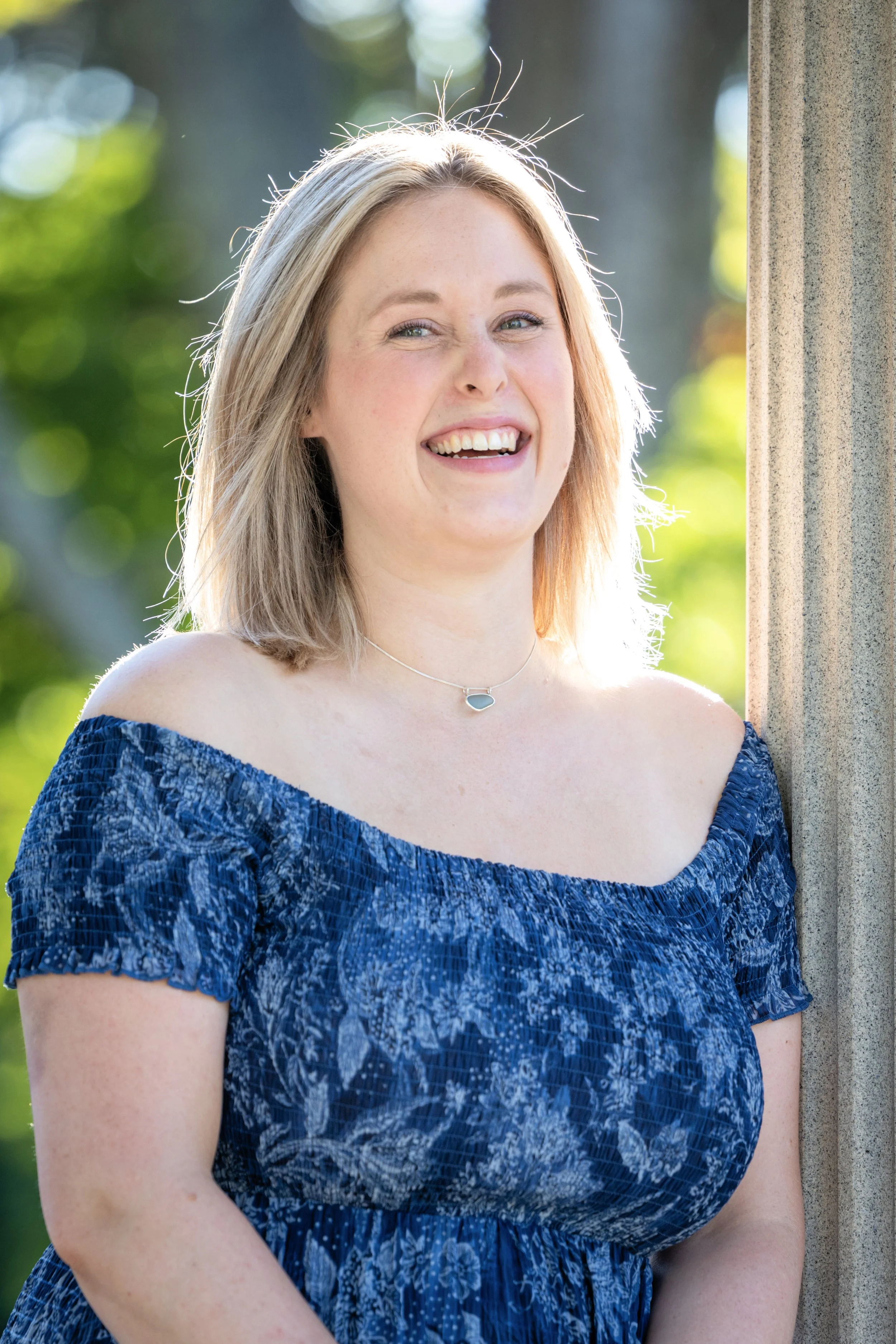
Mary Kay Koenig, M.D., Pediatric Neurologist
La Dra. Mary Kay Koenig es una médica con muchos intereses, desde la química hasta la neurología y el cuidado de los niños, pero al principio de su carrera médica nunca podría haber imaginado que la medicina mitocondrial sería la especialidad en la que se cruzarían todas sus pasiones. En 2007, la Dra. Koenig (directora del Centro para el Tratamiento de las Enfermedades Neurodegenerativas Pediátricas y titular de la Cátedra de Medicina Mitocondrial del Centro de Ciencias de la Salud de la Universidad de Texas en Houston), estableció el Centro de Excelencia Mitocondrial de la Universidad de Texas en Houston, donde dirige un equipo de médicos e investigadores para llevar a cabo investigaciones de vanguardia y proporcionar atención médica a niños y adultos afectados por trastornos mitocondriales. Siga leyendo para conocer su camino hacia la investigación de enfermedades raras y cómo ha adaptado su práctica a los impactos de la pandemia.
¿Cómo le llevó su trayectoria educativa y profesional a su especialidad en enfermedades mitocondriales?
“I wanted a career where I could really get to know my patients…I’m in an environment where I have the opportunity to go through this journey with them, and I find that very rewarding.”
Como la mayoría de la gente, no creo que supiera lo que quería hacer cuando era un niño. Quizá creía que lo sabía, pero en realidad no tenía mucha idea. Al terminar el instituto supe que quería dedicarme a la ciencia. Fui a la Universidad de Texas en Austin, donde me licencié en bioquímica. Me fascinaba la forma en que la química funciona dentro del cuerpo humano y cómo influye en la salud y en nuestras vidas. Después fui a la Universidad Estatal de Texas, donde obtuve un máster en microbiología. A partir de ahí, no sabía realmente qué camino tomar. De hecho, empecé a dar clases durante unos años -enseñé en el Austin Community College- y ahí es donde realmente encontré mi pasión por la medicina. Me enamoré de la enfermedad mitocondrial y eso lo unió todo. Ahora, puedo trabajar con la química, puedo trabajar con la neurología, puedo trabajar con los niños, y realmente disfruto de lo que estoy haciendo.
¿Cómo consiguió poner en marcha su programa?
It started with an idea. I still remember the day I went to my new boss and said, “I want to open a mitochondrial clinic.” And he said to me, “You don't have enough patients to open a mitochondrial clinic.” I said, “I think I will if I do…just let me try.” Our first clinic opened in 2007—it was based on faith. I had said, “I think I can do it,” and my boss believed in me and said, “I’ll let you try.” We started seeing patients one half-day a month, and after a few months, that clinic was so full that we expanded to two half-days a month. We quickly grew to have a full-time mitochondrial clinic, and I stopped seeing other neurology patients—I was so busy. It was the old adage: “If you build it, they will come.” Pretty quickly, we started getting a lot of patients, and so I needed to bring on a full-time nurse. We got very interested in research and so we started looking to bring on a research associate. Our clinic center has just continued to grow—we currently have positions for three nurses, we have three full-time research coordinators, we have our research director, we have [our director of] clinical operations, we have an office director of operations, we have another neurologist who specializes in movement disorders, and we also have a social worker who's become part of our program.
¿Cómo ha afectado la pandemia a su área de atención sanitaria? ¿Y cuál es la nueva normalidad para la investigación de las enfermedades mitocondriales, y las visitas clínicas para su especialidad?
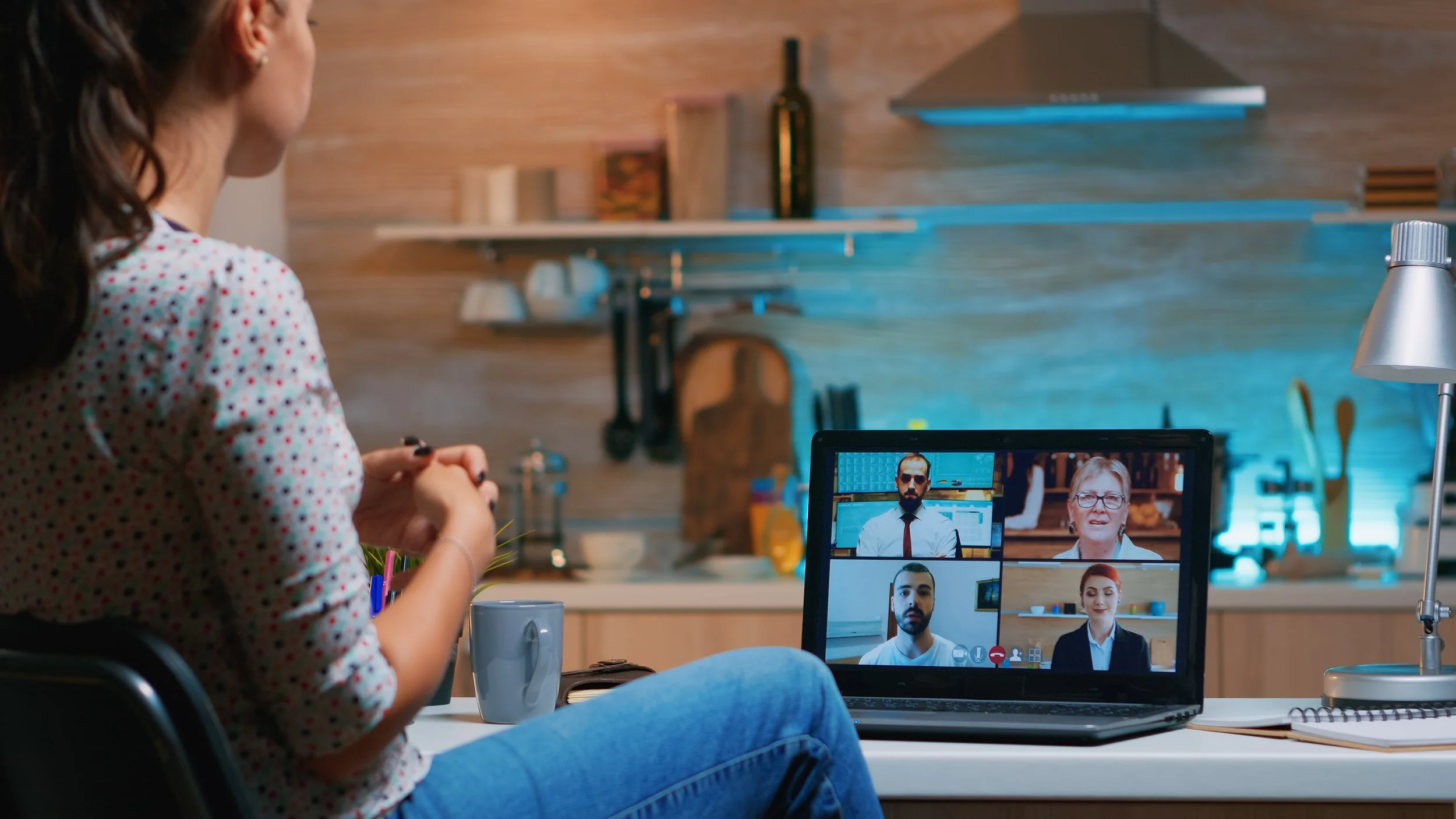
The pandemic has had a great impact on healthcare in general. When we first realized how bad things were in the United States, the majority of the healthcare system—as well as the research system—shut down, and that created a void in two very distinct areas, but both very important. From a research perspective, a lot of our ongoing clinical trials had to stop because patients couldn't get to the clinical sites to perform their study visits. We still don't know what impact that's going to have in the long run on the clinical trials that we've been running, and as far as being able to assess the efficacy of treatments that we've been testing. I'm happy to say that we have found a way to mitigate the risks for our patients, and we have reopened clinical research in a way that we feel is safe, and [we are] still able to assess the medications and the therapies that are being developed. So we are moving forward in that arena, and hoping that we can get back to where we were just a few months ago. From a clinical standpoint, we also shut down, for the most part, all of our elective clinical visits, as well as elective clinical procedures for several months. Thankfully, our offices were able to get a telemedicine program up and running relatively quickly, which enabled us to stay in close contact with our patients. So we were still able to provide them with medical services and medical care. Unfortunately, there are a lot of people who are still afraid to come into medical systems to get labs drawn, to see their physicians, to have necessary procedures performed—and we're realizing more and more every day what a detrimental impact that's having on people's health. So I'm hopeful that people will begin to reutilize the medical system in a way that is safe and careful so that they can continue to access these necessary elective medical needs.