Una historia de salud sobre la miastenia grave: La fórmula de Cate para la remisión a pesar del estrés de la vida

Por Laura Will
Cate’s Unexpected MG Diagnosis
Cate supo que algo no iba bien cuando empezó a tener problemas para llegar al final de los cuentos. Leía a su hija pequeña y empezaba a sentir debilidad en la cara. Estaba sana, o al menos siempre lo había estado. Pero en las dos semanas siguientes, la fatiga que le producía la lectura nocturna aumentó rápidamente y acabó en la UCI, incapaz de hablar, tragar o incluso recuperar el aliento.
While terrifying at the time, the acute onset of her symptoms led to a relatively speedy diagnosis of Myasthenia Gravis and initial treatment. She was placed on steroids and pyridostigmine: a two-pronged approach that inhibits the body’s inappropriate immune action in the neuromuscular junction and increases the amount of available acetylcholine. Cate’s body responded to this treatment, returning her muscle strength and stamina to a level with which she could baseline function.
Living with myasthenia gravis

Cate refers to MG as a “snowflake” disease. Each person has a unique presentation and response to medications. Cate feels lucky. Despite the limitations of her not-so-great health insurance, she was able to link up with a neurologist whose clinical interests focused on Myasthenia Gravis, and he was running a clinical trial that made a new, more targeted, treatment option available. Cate has now completed three rounds of this trial medication and has remained in remission since October 2022.
That being said, she is still working on weaning off of the steroids, still feeling the negative effects of being on them long-term, still in close contact with her neurology team, and still living in fear of a recurrence of symptoms. Outside of medical appointments, the last year has not been easy on a personal level. On top of navigating to remission, she has also navigated through a marital separation, moving homes, and often solo-parenting a toddler. Knowing that a major trigger for relapse is stress, she proactively scheduled drug infusions for the week after her move date. However, she was thrilled, and slightly surprised, at her body’s ability to remain stable through these turbulent times.
Practicar el arte de la atención plena
What’s her secret? It is how much she has focused on her mental health. She leaned into mindfulness practices, folding them into her work day and time spent parenting. She does breath work both on her own and with her toddler and takes relaxation time-outs together. She is open about seeing a therapist and taking a low-dose antidepressant, to keep the lows from getting too low. Remission is the goal of course, but it is still uncertain ground; and so, the key has been learning skills to live in uncertainty with grace, one breath at a time. Is it all rainbows and butterflies? No - but mental health practices help her acknowledge the fear and stress, and keep them from overwhelming what is good.
How do you remember what is good? Well, Cate has problem-solved that too with a daily gratitude practice, where she writes a list of everything she is grateful for that day. To hold herself accountable for this daily habit, she shares it with close friends.
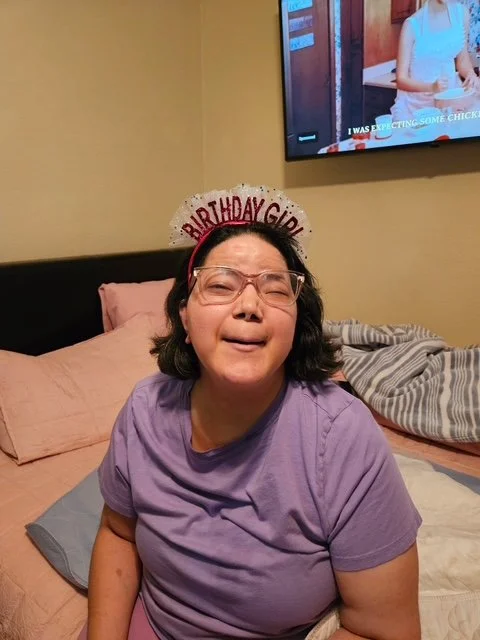
Es extraño cómo la lucha abre el mundo de la gratitud y la compasión. Hay un número incalculable de pequeñas bendiciones y un número incalculable de personas que luchan contra las mismas emociones desordenadas y los mismos síntomas aterradores. Los hábitos que apoyan su salud mental han ido más allá de volver a la antigua versión de sí misma, antes de los síntomas y antes de la atención plena, el sufrimiento, la compasión y el apoyo. Conoce a Cate 2.0.
About Cate
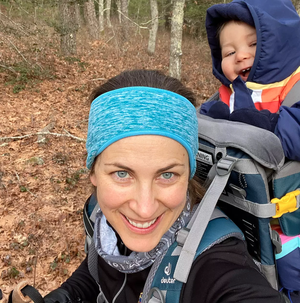
Cate worked for Hearst Magazines in New York City for about 8 years before moving to Los Angeles and beginning her freelance career as a prop stylist and set designer in 2021. Cate currently lives in Venice, CA with her 3-year-old daughter and two dogs. They spend much of their free time at the beach, Cate's favorite place for healing and relaxation, even when chasing a busy toddler around.