Vivir con GEFS

Johnathan Grande, FSGS Warrior
Al igual que muchas enfermedades raras, la Glomeruloesclerosis Segmentaria Focal (GFS) está llena de sorpresas, pero la principal sorpresa suele producirse en el momento del diagnóstico.

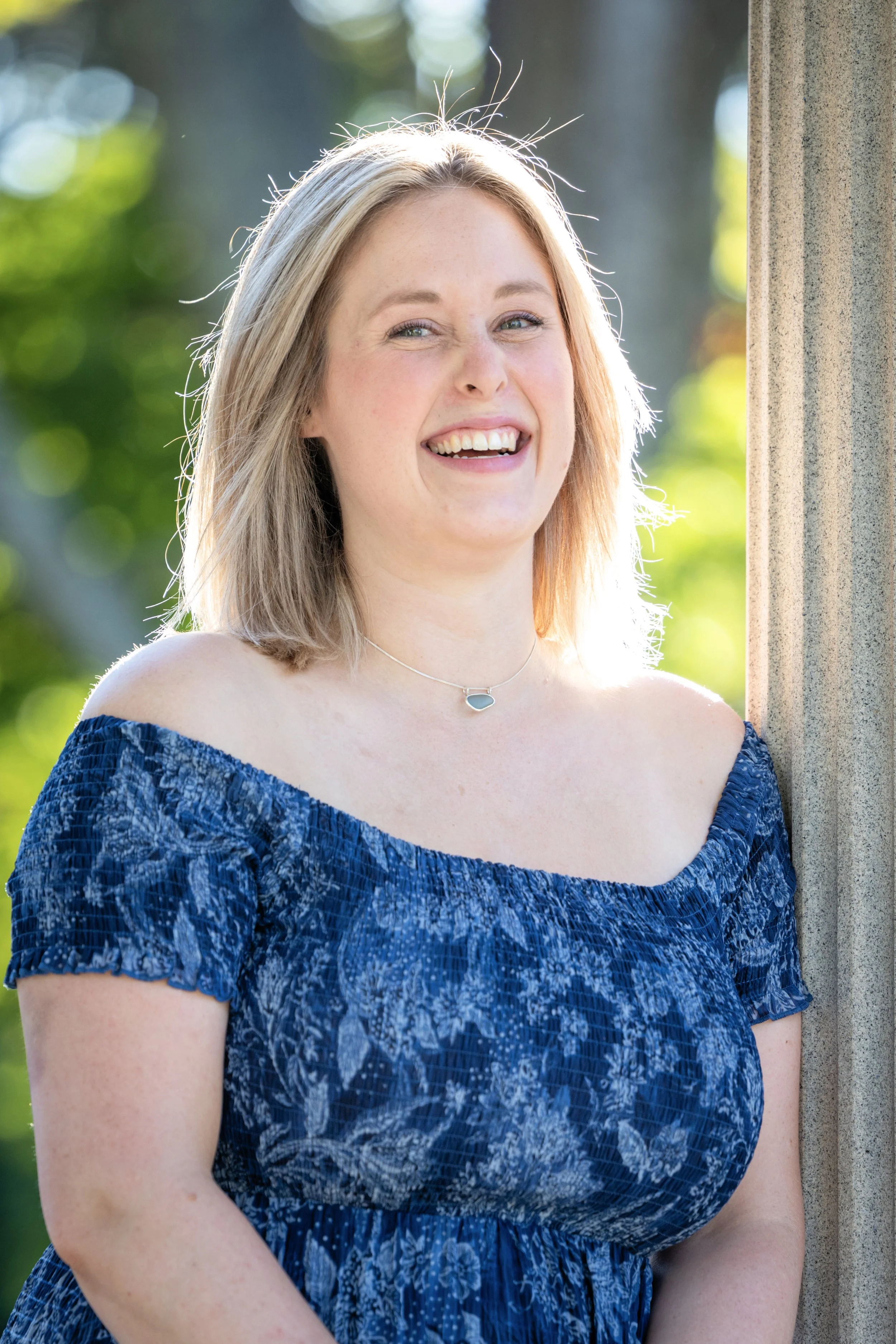
When Johnathan received his diagnosis, he was in high school, an athlete, and a member of the football/basketball team. It never crossed his mind anything was wrong until his blood tests from his routine yearly physical revealed he had high protein, and a biopsy confirmed he had FSGS. In college, Johnathan rarely had symptoms, so he did not spend time thinking about his kidneys or following up with his kidney specialist. Then, his disease surprised him again, and he passed out while with a group of friends, due to lack of hydration and fatigue. Milder symptoms started to occur dealing with bad fatigue and nausea, which was interfering with his life, which led him to reconnect with his kidney doctor.
Unfortunately, after years of not tracking or paying attention to his condition, blood tests after college revealed his kidney disease had progressed. Johnathan’s incident from when he passed out really made him focus on his health due to the life changes that were occurring. Since, he has changed his lifestyle habits and behaviors focusing on his strict diet, physicality, and mentality. Now, Johnathan is active in sports, coaching 7th and 8th grade basketball, but still has questions about the future, especially whether he will need to start dialysis or undergo a transplant. To deal with the emotional stress of waiting to see whether he gets a donor, and what his life will look like if he does, Johnathan practices yoga and plays basketball. Yoga not only helps him move on emotionally, but the stretching helps him deal with the flashes of flank pain he sometimes endures.

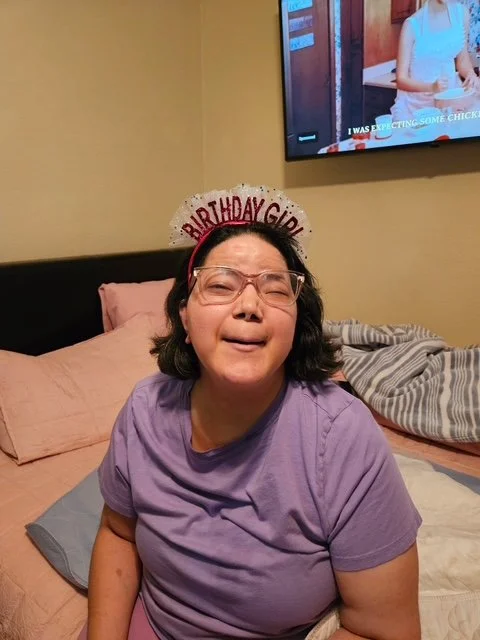
La sorpresa de Karen fue un repentino aumento de peso, y estaba reteniendo tanto líquido que se sentía extremadamente hinchada e incómoda. Sabía que algo iba realmente mal porque estaba ganando mucho peso -60 libras- aunque no tenía apetito y no podía comer. Tras una visita a su médico, que le hizo pruebas y descubrió el alto nivel de proteínas en su orina, Karen fue remitida a un nefrólogo, que le hizo una biopsia renal para confirmar que tenía GEFS.
Después de que por fin le pusieran un tratamiento que le ayudara a reducir toda la acumulación de líquido, pudo perder entre 40 y 60 libras de líquido. Karen sintió que las cosas estaban bajo control, al menos físicamente.
However, Karen felt like she had a different life than before, and needed to cope with this ‘new normal’. Did she do something wrong to deserve this? As a divorced woman, she was alone, and often felt the need for someone to turn to, and luckily her family was there. She also recognized her need to talk to a trained counselor, so she posted on Facebook groups asking for recommendations for a therapist. She wanted a female black counselor, whom she felt she could relate to, and soon recommendations came in – and Karen found the ideal counselor, who she still sees. Although she gets most of her information from her doctor, she does turn to some Facebook groups and is looking for more support groups that could help her.
Karen, like Johnathan, also experiences severe fatigue at times but lets herself take it easy when it happens. If she can’t do something one day because she can’t get out of bed, so be it. Living with FSGS and dealing with her changed life made her determined to help others, so Karen went for training to become a peer counselor. She is determined to overcome any challenges thrown her way and is always looking for more information to build her knowledge about her condition.

Tanto Johnathan como Karen han podido seguir trabajando, y pueden hacerlo desde casa. Para otras personas con GEFS, como Talanda, ir a trabajar ya no es una opción después de su diagnóstico. Como asociada de ventas en Walmart, no tenía energía para estar de pie todo el día y, ante la amenaza de contraer el virus, pensó que era mejor para su salud quedarse en casa. Se considera afortunada por contar con el apoyo de su marido y su familia. Su único temor a la hora de adaptarse a la vida con GEFS es que se convierta en una carga para su marido, algo que hace lo posible por evitar. Ha sido capaz de afrontar los síntomas de la GEFS, como la fatiga, y las tensiones emocionales que conlleva la enfermedad. Como dice, "para mí es importante tener a la familia, la fe y el amor a mi alrededor. Es lo que me hace seguir adelante".