Cultivar la esperanza flexible: una mirada a los ciclos emocionales en la enfermedad crónica

Alden taking his first independent steps in his gait trainer
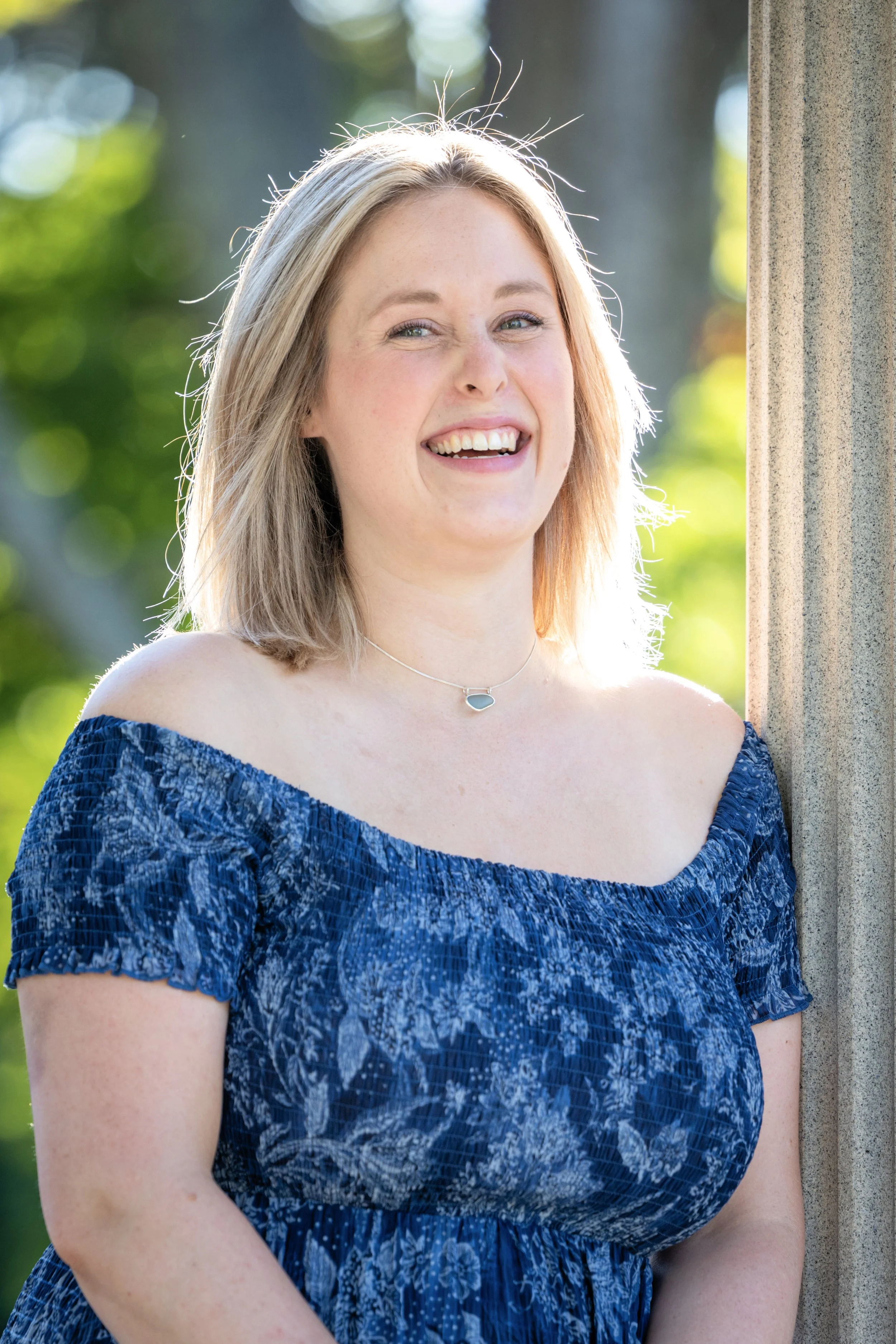
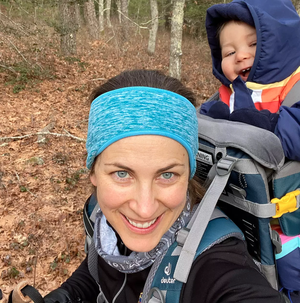
Por Laura Will
While stretching out my toddler’s stiff hamstrings, his physical therapist looked up at me and gently said, “We’d like to have your son fitted for a wheelchair.” My heart promptly fell into my stomach. I nodded, “Okay,” and stepped out of the room to collect myself. My little boy was working hard in his therapy sessions and making subtle, yet perceivable, progress. We were all doing our best. Out of the depths of post-diagnosis despair, I had rediscovered hope. I knew the expectation of ambulation was tenuous; however, in the midst of uncertainty, it was worth striving for. Stepping into the hallway, I felt myself letting go of the wheelchair-free future I had dared to entertain as a possibility. Once again, I was softening into acceptance.
Este ciclo emocional que va de la esperanza al dolor, del dolor a la aceptación y de la aceptación a la esperanza de nuevo es un viaje con el que mi corazón se ha familiarizado. La sabiduría a través de los tiempos habla de la relación entre la aceptación y la esperanza.
The 13th-century Islamic poet and scholar Rumi wrote, “Life is a balance of holding on and letting go.” In the world of rare diseases, the relationship between hope and acceptance is continuously at play.
With shifting symptoms, missed milestones, and novel treatment options, hope needs to intermittently be reinvisioned. In the midst of this ever-changing medical uncertainty, there is great value in cultivating flexible hope. We know from longitudinal research that the amount of hope individuals report has a predictive value on subjective well-being, weeks and months into the future (Heinitz, 2018). Neuroscientists exploring research in positive psychology are finding that not only does hope release feel-good endorphins, but a hopeful disposition can quite literally be seen in the structure of a brain (Song, 2020).
Without hope, there is little sense of self-agency, and resignation and depression can take hold. So, how do we cultivate this resilient force? Hope theory suggests that hope grows as we set goals, form workable strategies for achieving those goals, and possess positive beliefs about the ability to sustain goal-oriented behaviors (Worthen, 2010). All the while, it is critical to celebrate small incremental wins and trust that you are doing your best, no matter the outcome.
Me encontré profundamente deprimida inmediatamente después del diagnóstico de mi hijo. Todavía no había aceptado nuestra nueva realidad. Estaba enfadada y llena de miedo. La idea de fijar un objetivo me provocaba una sensación de dolor anticipado, al imaginarme cada hito perdido. Con el tiempo, he sido capaz de soportar más cómodamente el dolor, la rabia se ha digerido en su mayor parte y la aceptación continúa filtrándose.
Aunque no puedo confiar en la salud futura de mi hijo, he encontrado cosas en las que sí puedo confiar: sus médicos, su ayuda individual, mi pareja, la cafetera, la risa y mi deseo de cuidar de mi hijo. Nombrar las cosas en las que confiamos puede ofrecer cierta sensación de control. Con esa confianza, el miedo se mantiene a raya y, si prestamos atención, empiezan a desplegarse ante nosotros pequeños momentos de esperanza.
The same week we went to an equipment clinic to get measured for a pediatric wheelchair, I saw my son take his first independent steps in his gait trainer. Yes, his wheelchair will be an integral part of his life, and there is hope in that future too.
Fuentes:
Heinitz, K., Lorenz, T., Schulze, D., Schorlemmer, J. (2018). Comportamiento organizacional positivo: efectos longitudinales en el bienestar subjetivo. PLoS One, 13, e0198588.
Song Wang, Yajun Zhao, Jingguang Li, Han Lai, Chen Qiu, Nanfang Pan, Qiyong Gong, Neurostructural correlates of hope: dispositional hope mediates the impact of the SMA gray matter volume on subjective well-being in late adolescence, Social Cognitive and Affective Neuroscience, Volume 15, Issue 4, April 2020, Pages 395–404.
Worthen, V., & Isakson, R. (2010). Hope-the anchor of the soul: Cultivating hope and positive expectancy. Issues in Religion and Psychotherapy, 33(1), 9.
Sobre Rare Resiliency:
Rare Resiliency es una columna mensual escrita y/o comisariada por Laura Will. Esta columna explora los conceptos y habilidades que desempeñan un papel protector contra el estrés crónico y agudo. Cada artículo desafía y anima al lector a seguir desarrollando esa fuerza interior estabilizadora mientras se enfrenta a la enfermedad y a la incertidumbre, a la pena y a la alegría.